Harsh and powerful toilet cleaners can cause allergic symptoms and shortness of breath for many people. Additionally, you must be careful with them to ensure toxic substances do not come into contact with your skin. However, cleaning the toilet is possible without toxins, so check out these safe and eco-friendly alternatives!
Washing the toilet bowl
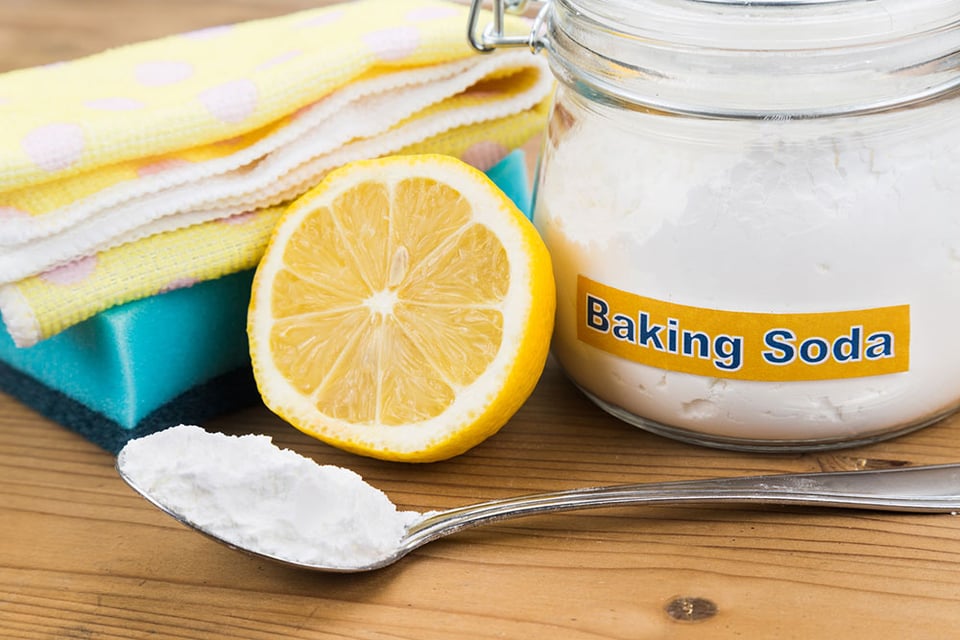
You don't have to pour strong cleaning agents into the toilet bowl that corrode everything in their path. You can also use vinegar and baking soda.
- Pour 2 dl of baking soda into the toilet bowl. Sprinkle it so that the baking soda spreads across the inner surfaces of the bowl.
- Next, pour in 2 dl of vinegar and let it sit for 30 minutes.
- You can keep the lid closed so the strong smell of vinegar doesn't spread throughout the rest of the apartment.
- After 30 minutes, you can clean the surfaces with a toilet brush. Flush the toilet normally afterward.
You can wash under the rim and the toilet lid in the same way. Let the mixture sit for 30 minutes and use a sponge for washing. Even though you are using non-toxic detergents, you should protect your hands with gloves. Moisture and all cleaning agents can dry out your hands, even if they are safe for the skin.
Tip! If you want the toilet bowl to smell extra fresh after washing, drop in a few drops of essential oil and let it sit in the bowl before flushing. You can use lemon or eucalyptus-scented oil, for example.
Cleaning the sink
If limescale has formed on the faucet, you can try vinegar and hot water. Mix 1 dl of vinegar with 1 dl of hot water. Use gloves while cleaning.
- You can also use half a lemon for polishing if you wish. At the same time, the lemon provides a lovely fresh scent to the bathroom.
- You can reduce limescale buildup by occasionally wiping the faucet with a damp cloth. Do not leave water droplets to dry on top of the faucet!
- While you are wiping the faucets, you should also wipe the other surfaces of the sink. This prevents dirt from easily accumulating around the faucet.
- Usually, hot water and a small amount of dish soap are sufficient, but you can use baking soda for tough stains.
Remember to also clean the washing machine faucet if the washing machine is located in the bathroom. You can use the same cleaning technique for showerheads (including hand showers) and kitchen faucets as well. However, always use one cloth for the bathroom and another for the kitchen.
Tidy floors with vinegar
You can wash bathroom and toilet floors with vinegar. You can use a mop for cleaning, but a cloth also works. First, vacuum the floor to remove dust and lift items off the floor, such as the trash can. Pour about four liters of hot water into a bucket and mix in 5 dl of vinegar. Mop or wipe the floor with this mixture and let it dry naturally. The floor does not need to be rinsed afterward.
If tough stains have appeared on the floor surfaces, you can use baking soda to help. Sprinkle baking soda on the stain and let it sit for 10 minutes. Then clean it with a mop or cloth that has been dampened with the vinegar-water mixture.
Cleaning mirrors
When cleaning the bathroom, you can clean the mirrors at the same time. First, open the mirror cabinet and clean dust and dirt from the shelves with a damp cloth. You can use the same mixture (1 dl vinegar to 1 dl water) to clean the shelves. Let them dry completely before putting anything back on the shelves.
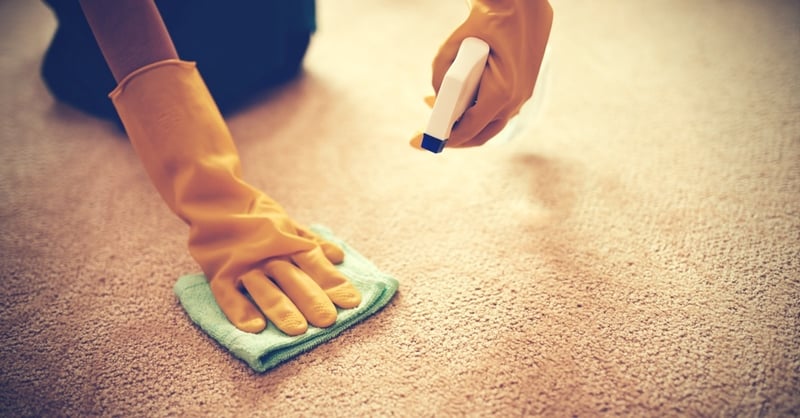
Next, start cleaning the mirrors. You can start from the inside and then move to the outside. Spray the vinegar and water onto the mirror using a spray bottle and wipe from top to bottom with a cloth. However, a cloth that is too wet can leave drop marks or streaks on the mirror, so remember to dry the mirror surfaces with a dry cotton cloth.
Don't forget the trash can
To complete the job, it is good practice to clean the trash can. Empty the trash can and lift out the inner bin.
You can wash the inner bin using the shower if you wish. If you want to let it soak in the shower area, you can pour a few drops of dish soap into the bin. Rinse it with hot water and dry it thoroughly before putting a new trash bag into the bin.
The exterior surfaces of the trash can should be wiped to remove dust, as dust often leaves unsightly marks on surfaces. If the trash can is made of metal, its surfaces may become stained. Wipe away dust with a cloth first to remove the excess layer. Afterward, you can dampen a cloth and wipe the outer surfaces with vinegar or dish soap. Let the trash can dry completely before use.
Sources: Home Guides and Martat
Separate toilet and bathroom? Check out Avara locations here!